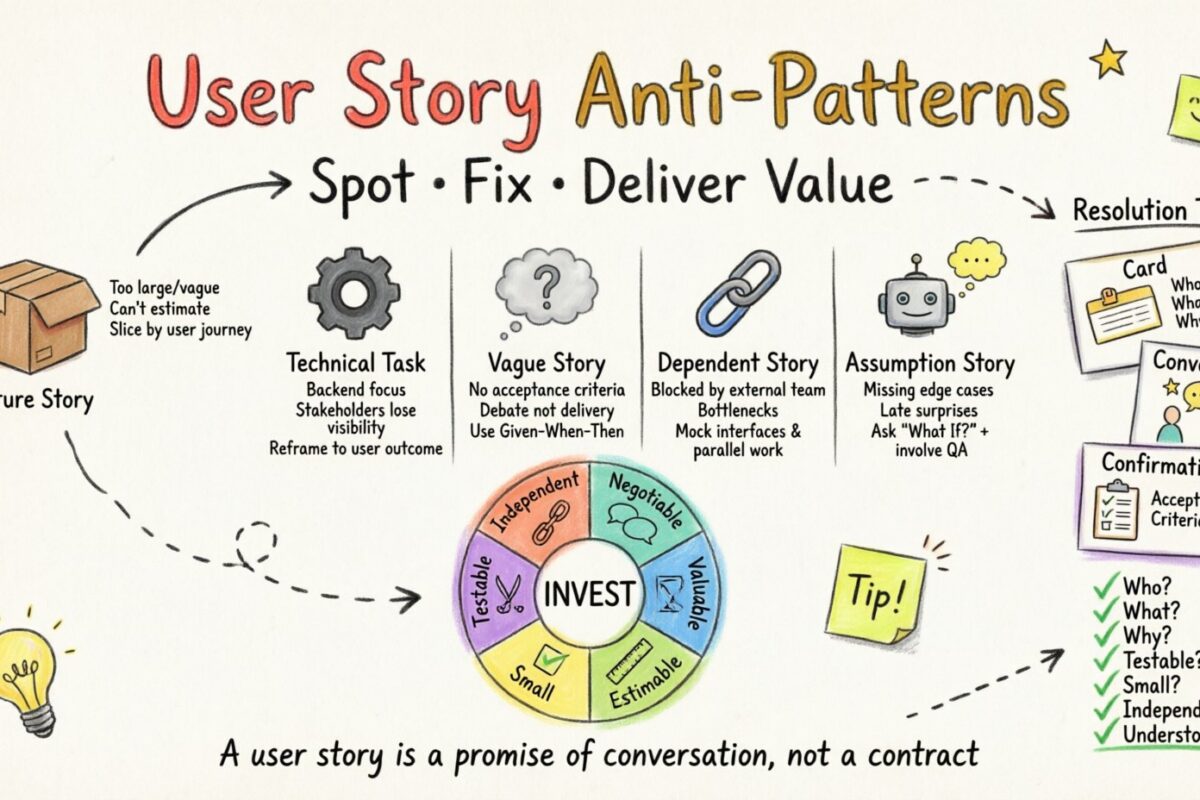
In the complex ecosystem of software development, a user story is more than a line of text in a backlog. It is a promise of value, a contract between business…
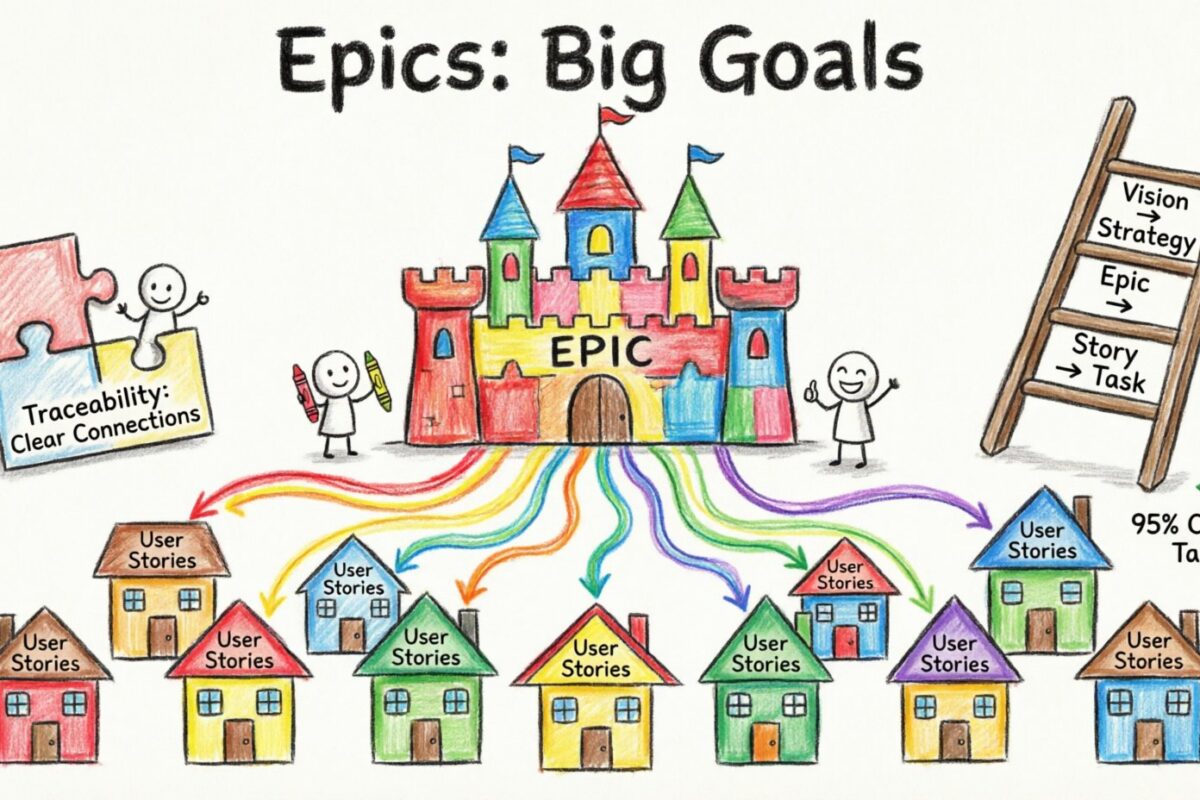
In modern software development and project management, the ability to trace requirements from high-level goals down to specific implementation tasks is critical. This guide explores the mechanics of connecting Epics…
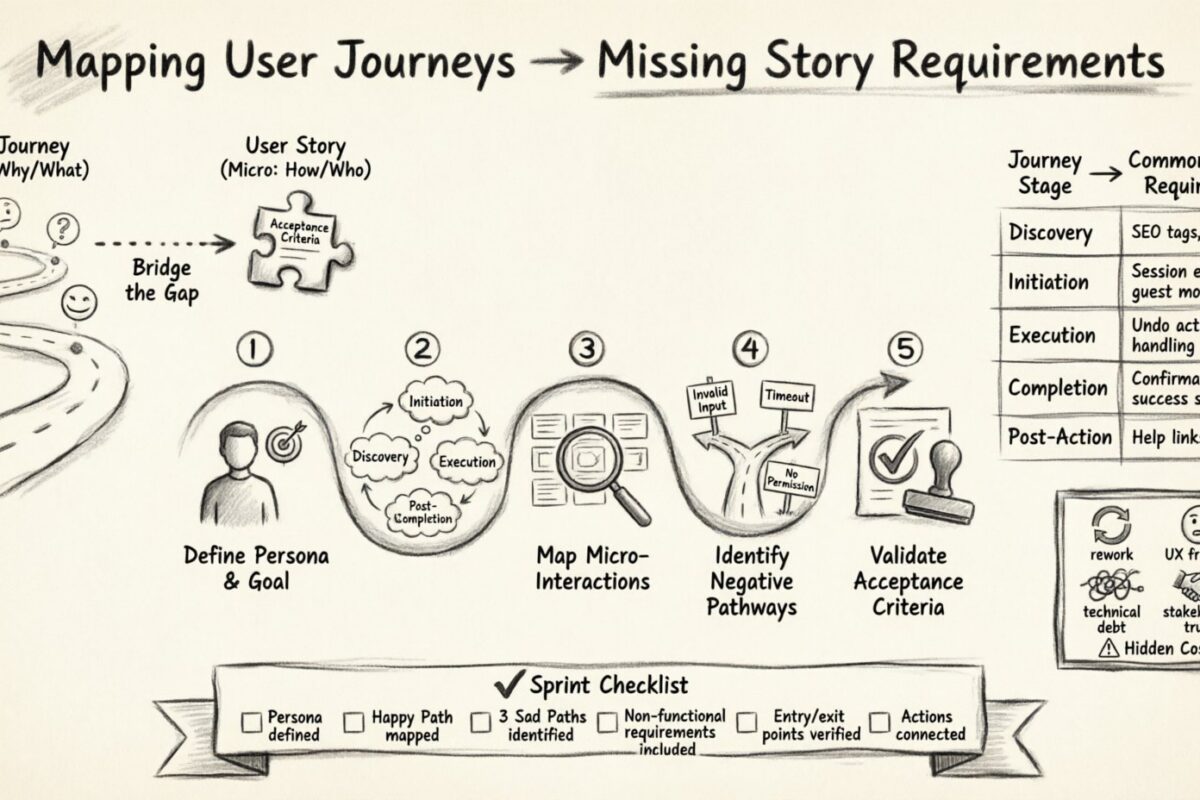
In the complex landscape of software development, the disconnect between high-level vision and granular execution is a common source of friction. Teams often begin building features based on a list…
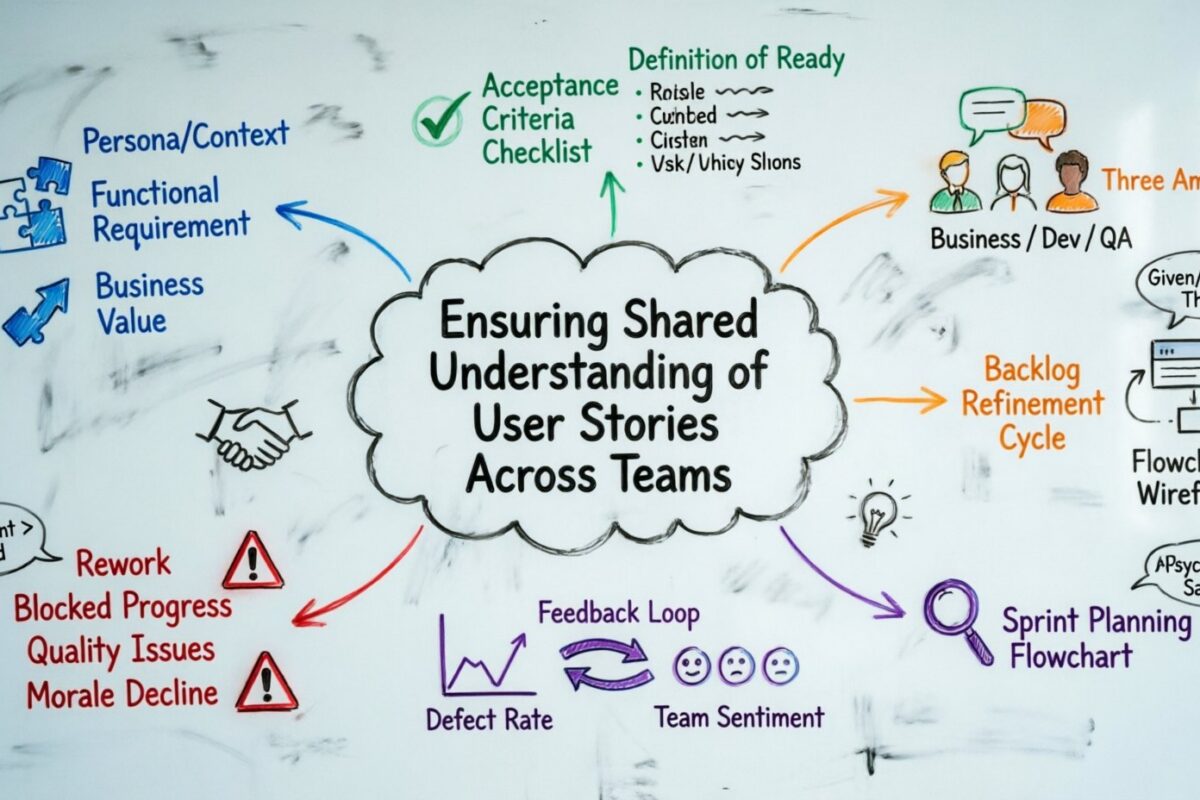
Agile development relies heavily on the quality of communication between stakeholders, product owners, and the development team. At the heart of this communication lies the User Story. However, even within…
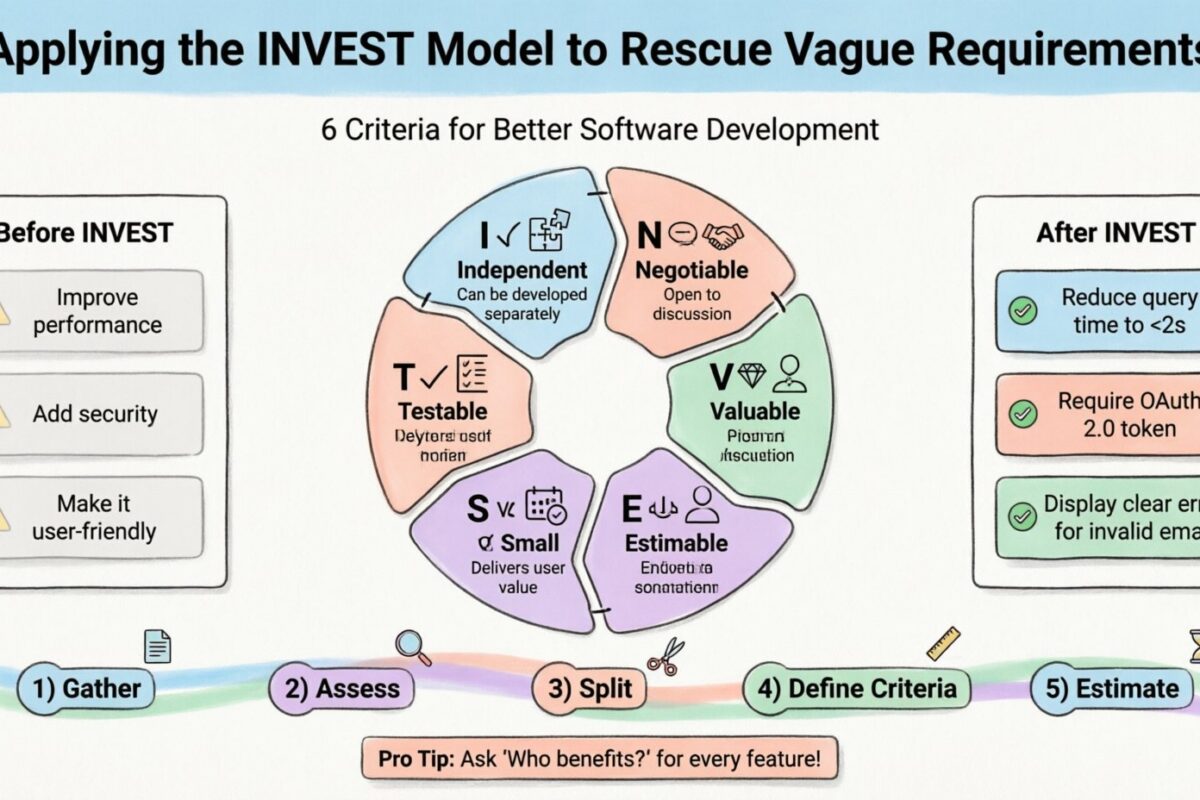
Requirement ambiguity is one of the most expensive errors in software development. When a stakeholder says, "Make it work," the team often interprets "work" differently than intended. This gap leads…
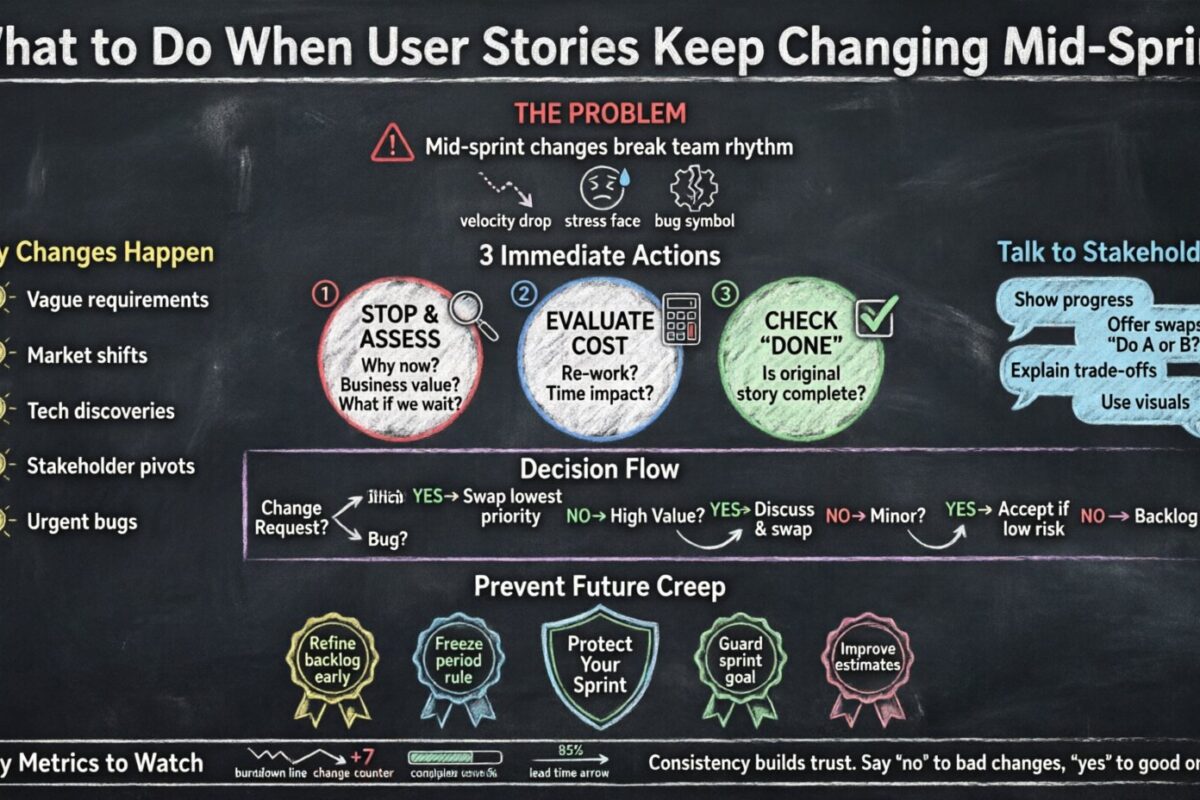
Agile frameworks promise flexibility, yet there is a distinct line between adaptability and instability. When user stories keep changing mid-sprint, the rhythm of the team breaks. Velocity drops. Confidence erodes.…
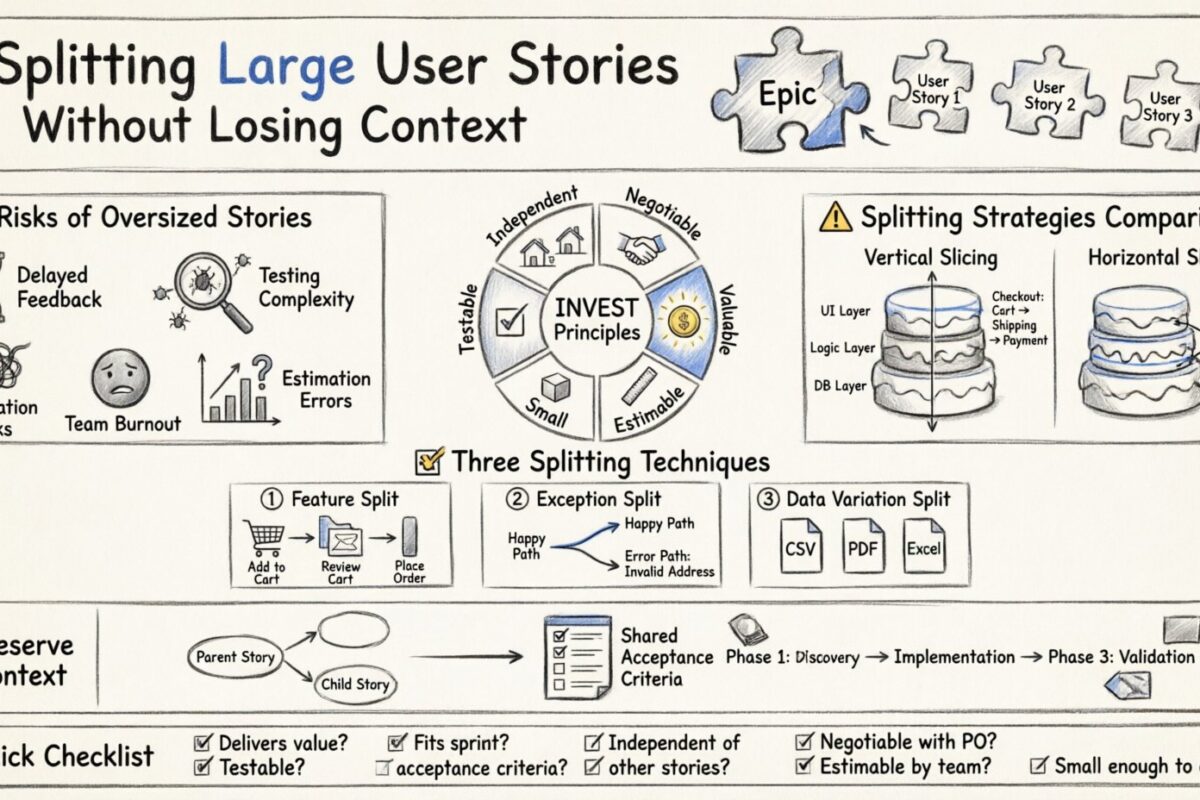
In the fast-paced world of software development, the gap between a big idea and a deliverable feature often bridges a complex series of tasks. When a single user story grows…
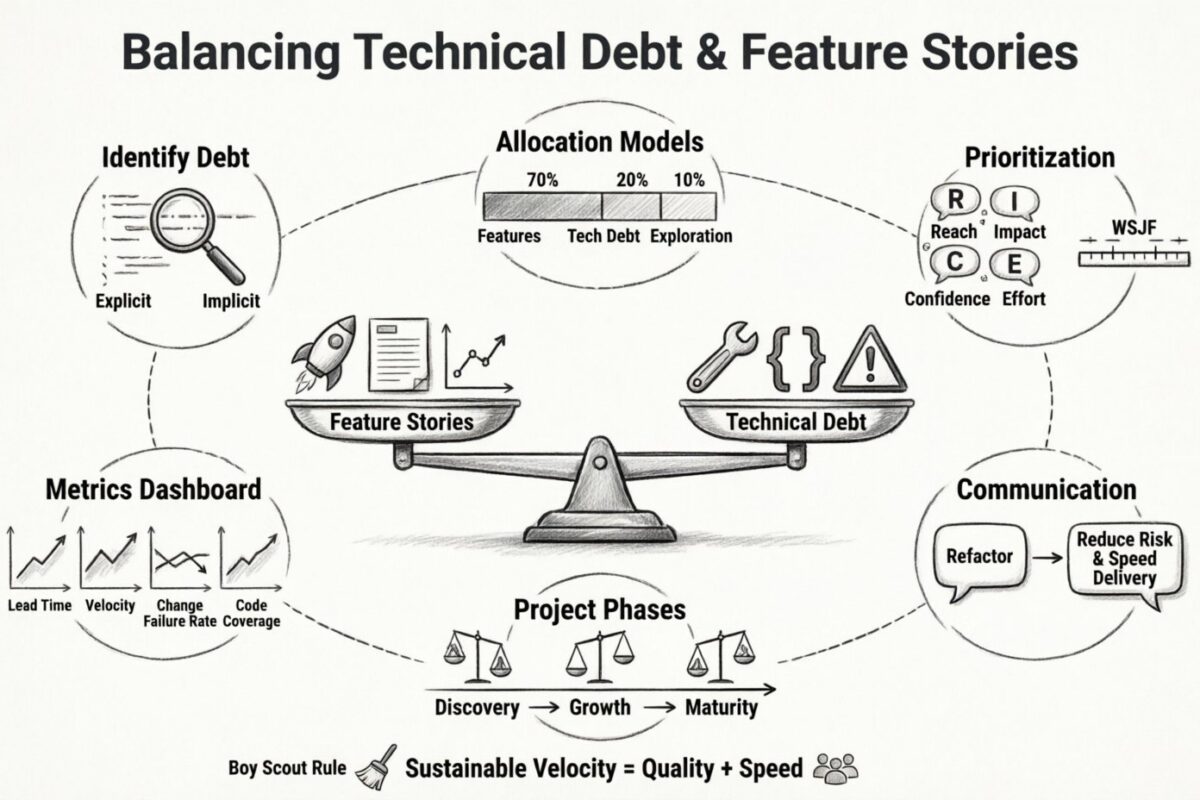
Every software development team faces a familiar tension. On one side, there is the demand for new features, user stories, and visible product improvements. On the other, the invisible accumulation…
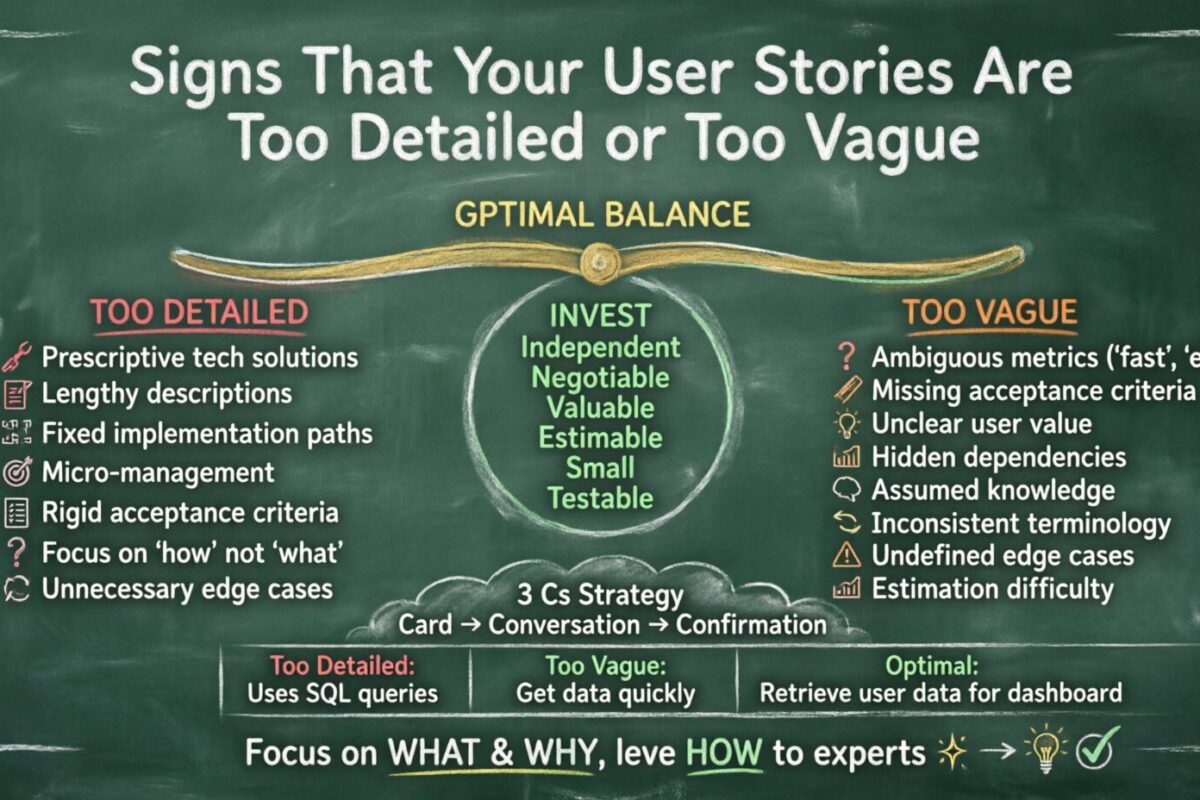
In the landscape of agile development, the user story serves as the fundamental unit of work. It is the bridge between business needs and technical implementation. However, a common friction…
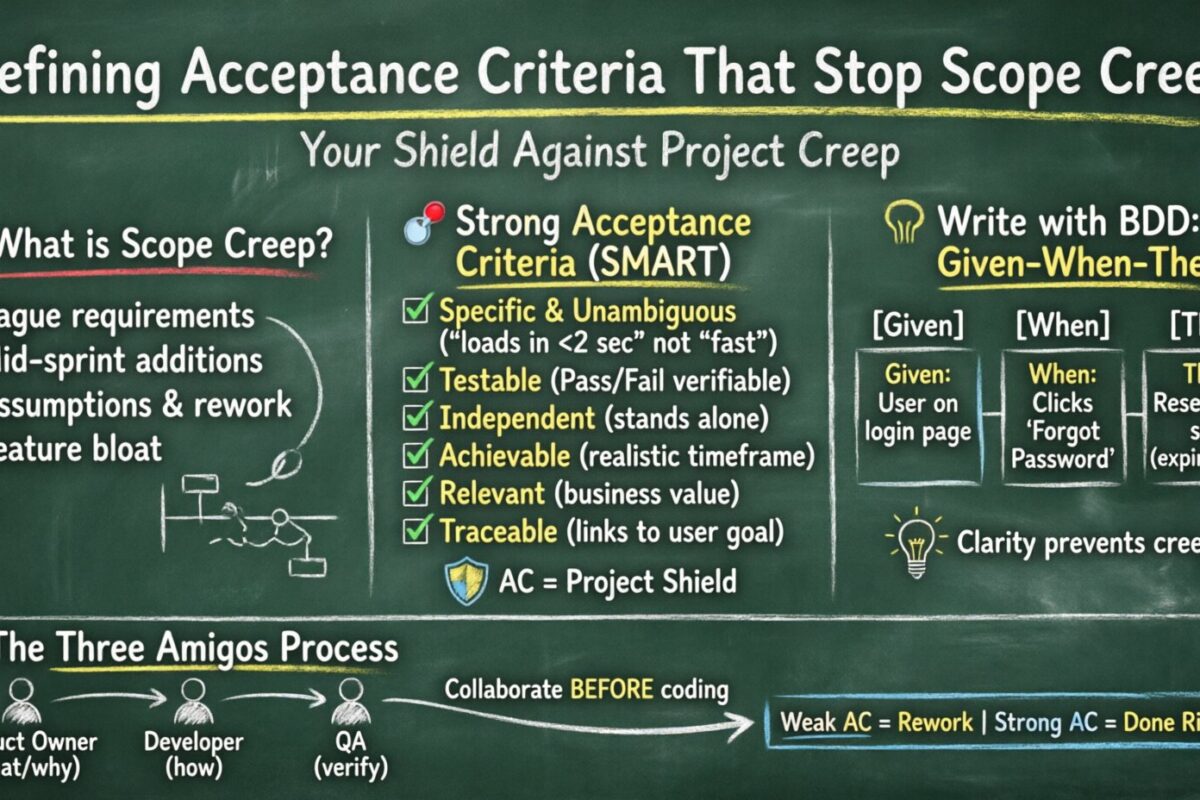
In the fast-paced environment of software development, scope creep is the silent killer of projects. It erodes timelines, inflates budgets, and frustrates teams. The most effective defense against this phenomenon…